Letting Property?
Begin with a FREE, rental valuation today.
Property Valuation
"*" indicates required fields


What certificates do landlords need? is a question we’re often asked by people looking to rent out property. The 1st May 2026 saw tenancy administration change, thanks to the Renters’ Rights Act 2025, and the compulsory energy efficiency rating required for private rentals will rise from an E to a C in 2030. This constant reform means staying in touch with compliance it critical.

For now, there are three mandatory safety certificates for landlords, which you must obtain and give to tenants within 28 days of them moving into the property: the electrical installation condition report (EICR), the energy performance certificate (EPC) and the gas safety certificate (form CP12).
Landlords who don’t undertake safety checks and obtain these certificates can face fines, have problems evicting a tenant or struggle to get a landlord licence, if one is required.
In addition, there are several other legal obligations you must comply with – from fire safety standards to security deposit schemes. If you’re a new or prospective buy-to-let landlord in the south east London areas of Bermondsey, Surrey Quays, Deptford or Canada Water, read on for full details.
Landlords must appoint a qualified electrician to create an electrical installation condition report (EICR) every five years. This electrical safety inspection will check all wiring, sockets, light fittings, fuse boxes and hard-wired installations, such as extractor fans and electric showers.
The electrician will check the property and issue an electrical installation condition report (EICR). If they find an issue, you will be required to have it fixed within 28 days – or sooner if it is a serious fault. You must supply your tenant with a copy of the EICR report within 28 days. Not having a valid, in-date electrical installation condition report (EICR) is punishable with a fine of up to £40,000.
Do landlords need an EPC certificate? Yes! Landlords won’t be able to advertise their property to rent without a valid EPC. An energy performance certificate (EPC) gives tenants information about how energy efficient the property is – and therefore how cheap it is to power/heat. EPCs rate a property on a scale of A to G, with A being the most efficient.
To get an EPC, you must appoint an accredited assessor to carry out an inspection. EPCs are valid for 10 years. It may, however, be worth repeating an EPC inspection if you have carried out energy efficiency improvements since your last assessment, as a higher rating may help you attract tenants. You must supply a copy of the EPC to your tenant within 28 days of them moving in.
Currently, private rentals need an EPC rating of at least an E to be classed as a legal let. This standard is changing. In January 2026, it was announced that all private rentals would need at least a C rating by 1st October 2030. Landlords will be expected to pay no more than £10,000 on improvements to reach the C grade.
An annual gas safety check is mandatory in private rentals. Landlords must appoint a qualified engineer on the Gas Safe register to inspect all gas appliances (such as boilers, fires and ovens), plus all pipework and flues every year. After the inspection, a Gas Safe registered engineer will supply a copy of the CP12 – or gas safety certificate. As with other crucial landlord documentation, you must give a copy of the gas safety certificate to your tenant within 28 days.
The safety of gas appliances is taken incredibly seriously. Civil penalties of up to £30,000 are just the start. Fines can also be unlimited and imprisonment for two years is possible – longer if there are manslaughter charges (in cases where a tenant has been injured or killed).
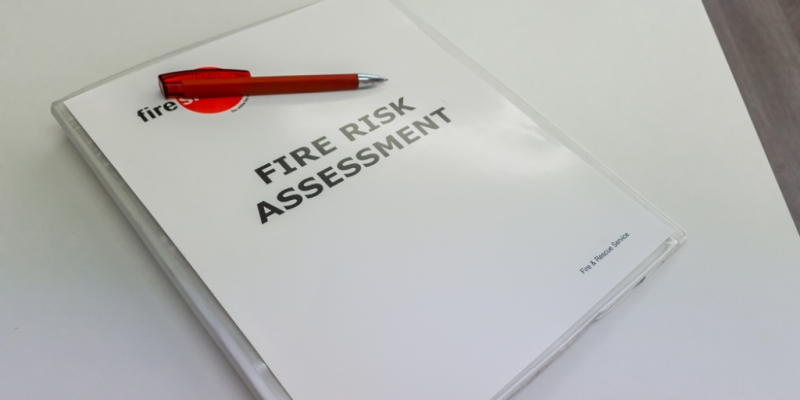
Although they don’t involve obtaining a certificate, there are some other important regulatory obligations that require written records or assessment action.
You need to make sure your property complies with the law when it comes to fire safety. This means you must install a working smoke alarm on every floor and a carbon monoxide alarm in any room with a fuel burning appliance (a gas fire, gas boiler, coal fire or wood burning stove – gas cookers are not included). You must keep a written record of your fire safety assessment, as well as the fire safety measures you have taken.
Check the property annually for the presence of legionella in the hot and cold water system. Legionella is the bacteria that causes the potentially fatal legionnaire’s disease. While the risk is low, you should carry out an assessment and keep a written record.
Check your local authority website to see whether you need a licence to rent property in the borough. If your property is a house in multiple occupation (HMO) with five or more unrelated households sharing facilities, you will need a licence, wherever the property is located. Smaller HMOs and all properties in some designated areas are subject to additional or selective licensing schemes, so check this out and apply for your licence if needed.
If you’re renting out a house in multiple occupation, you’ll be subject to extra compliance. As well as an energy performance certificate (EPC), an electrical installation condition report (EICR) and a gas safety certificate, HMO landlords also need to:
No. The How to Rent Guide was removed from private lettings as part of the Renters’ Rights Act 2025.
Renters starting new tenancies from 1st May 2026 must be given a written statement of tenancy terms. This can be supplied as a stand-alone document or incorporated into their tenancy contract. The Government has outlined what this written statement should contain here.
Right to rent checks are a legal requirement for all your tenants who are 18 or over. You need to conduct these checks before allowing tenants to rent your property, or risk letting to others illegally. See Government guidance on how to carry these out here.
Before letting your property, you will have to change your residential mortgage to buy to let (BTL). This allows you to let your property according to the lender’s terms and conditions (these normally require a BTL mortgage if you decide to let your property).
If you require your tenants to provide a deposit in case of damage to the property, you must use one of three government-approved tenancy deposit protection schemes. You must inform your tenants within 30 days of the scheme you have chosen.
| Compliance breach | |
|---|---|
| Electrical safety checks – non compliance | Up to £40,000 |
| Gas safety inspections – non compliance | Unlimited and/or imprisonment |
| 21 newly listed hazards, including damp, mould, freezing conditions, structural issues and unsafe layouts | Up to £7,000 per hazard |
| Missing or invalid energy performance certificate (EPC) | Up to £5,000 |
| Failure to provide a written statement of terms for new tenancies | Up to £7,000 |
It’s one of the most commonly asked questions. While safety checks and inspection certificates are a legal requirement, landlords themselves don’t need any special accreditation. Good practice, however, is becoming widely recognised and there are a number of voluntary landlord accreditation schemes.
London has its very own – the London Landlord Accreditation Scheme. Landlords who complete the training will be recognized as a ‘fit and proper person’. The accreditation gives landlords the right to rent their properties to London councils through their leasing or letting schemes.
Other accreditation schemes include:
Landlords who receive accreditation from the above can apply to become a member of Southwark Council’s Gold Standard Charter, which recognises landlords who provide a professional level of service.
If this sounds daunting, we can help. We work with landlords in areas like Beckenham, West Wickham, Hackney Wick, Greenwich, Bethnal Green, Shad Thames and beyond – from helping you to manage your property and staying on the right side of the law, to selling a rental property with tenants in situ. Talk to us about our services for landlords today.
Begin with a FREE, rental valuation today.
"*" indicates required fields
Want to discuss something specific?
Contact us & we will be happy to help you.
"*" indicates required fields


Could you reduce the council tax you pay on your vacant South East London rental property? Empty property council tax rules changed in 20...

Are you up to date with the fire safety regulations for landlords in London? If you have tenants in private rented properties then fire s...

Is your landlord property inspection checklist updated for 2026? Good record-keeping is absolutely essential if you want to demonstrate ...


