Selling Your Home?
Begin with a FREE, accurate property valuation
Property Valuation
"*" indicates required fields


Are you considering selling your house in south east London? The house selling process involves many different tasks and getting prepared can help everything run smoothly. As well as preparing the property for sale, you will also need to collate important paperwork.
Gathering the required paperwork will ensure that there are no unnecessary delays trying to locate documents. If you are selling your property in Southwark, Canary Wharf or Bow, there’s a high demand for properties, so your sale could move very quickly.
Here’s a comprehensive list and descriptions of the documents you need to sell your house and that you should get ready in advance.
Here is a list of all the documents you will typically need when you sell a property:
You will need to prove your identity to several people during the process of selling a house, including solicitors, your mortgage company and the estate agents. For this, you will need to provide a form of photographic ID such as your passport and you will need to provide proof of address, such as a utility bill or bank statement.
The title deeds are the documents that prove that you legally own the property. The solicitor who completed your purchase or your mortgage company will usually have the original deeds, but you can easily get a copy from the Land Registry. It costs £7 to download a copy from the Land Registry.
Before you put your property on the market, it is a legal requirement to have a valid EPC (Energy Performance Certificate). If you don’t have a valid EPC, you will need to arrange for an energy assessor to complete one. An EPC usually costs between £60 to £120, depending on the size of the property.
Your solicitor will ask you to complete a seller’s property information form (TA6), which they will help you with. This includes providing information such as property boundaries and any neighbour disputes, any planning permissions and building alterations.
Similarly, your conveyancer will ask you to complete a fittings and contents form (TA10) for you to detail all the items that you will be leaving in the property. This requires you to give a full list of fittings and fixtures that will be included in the property price such as:
This is not an exhaustive list, and it is important that you include all the items that you will be leaving in the property to prevent any disputes after the sale goes through.

If you are selling a property that is leasehold, you will be required to complete a Leasehold Management Pack or a TA7 form to provide all the leasehold information to the buyer.
This includes details such as the contact detail of the leasehold management company, how many years are on the lease, the ground rent and service charges. You will also need to provide a copy of the lease agreement.
For new build properties, in addition to providing the EPC, there are some other documents you will be required to provide to the buyer. The Building Regulations Completion Certificate will need to be passed over and if there is a Warranty or Architects Certificate, you’ll need to provide this too.
So that the solicitor can arrange for the mortgage to be paid off at completion (if you are paying the mortgage off), you will need to provide them with mortgage details such as lender name, account number and the current outstanding balance.
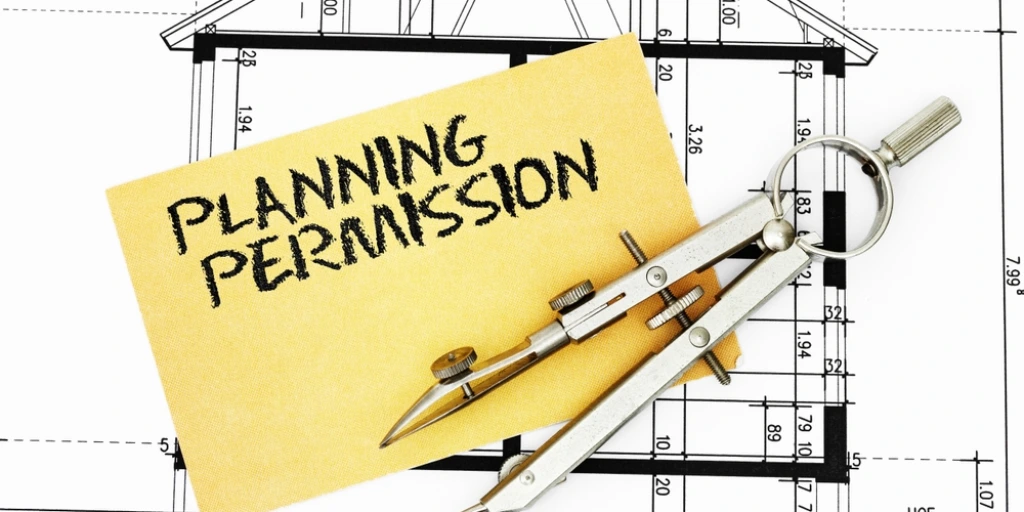
If work has been completed on the property that required planning permission or building regulation certificates were issued, you will need to supply the new owners with the relevant documentation.
For example, if you have had an extension completed, the proof of planning permission from the local authority and building regulations certificate will provide evidence that the correct processes have been completed.
Any windows that have been replaced since 1 April 2002 should have a FENSA certificate or CERTASS to show that the work was completed in compliance with building regulations. Sellers are required to provide copies of the certificates to the buyers.
When the boiler was installed, the engineer should have provided you or the previous owner with a boiler installation certificate, which you should hand over when you sell your home.
You can also provide copies of boiler servicing to prospective buyers when marketing the property to give them peace of mind the boiler is in good condition.
Providing an EIC (Electrical Installation Certificate) is not legally required but if your property had any wiring alterations since January 2005, you should have been provided with a Part B Building Regulation Certificate that you are required to give to the buyer.
Although it isn’t a legal requirement to have a Gas Safety Certificate when you sell as house, if you have one you should provide it. The same applies for an Electrical Installation Condition Report – if you have a valid one, this will also be useful for showing potential buyers that the electrics have been checked and are safe.
It will be helpful to leave the buyer with any warranties and guarantees for appliances included in the sale, which can be left in the property rather than passing to your solicitor.
If there are any warranties or guarantees related to issues that were identified in the home survey, such as damp issues that you have had treated, you should pass the documentation to your solicitor.
Gathering all these documents in advance will help to make sure your house sale goes through as quickly as possible. If you are looking to sell your property in Deptford, New Cross or Surrey Quays, or are looking to buy a new property, get in touch with our team.
Begin with a FREE, accurate property valuation
"*" indicates required fields
Want to discuss something specific?
Contact us & we will be happy to help you.
"*" indicates required fields


If you’re thinking of buying or selling a property in South East London, you may be surprised how much property chains matter. So, what i...

After selling a property, many sellers mistakenly believe that any property issues will now be the responsibility of the new owners. I...

Whether it’s for more space, a new location or just a change of scene, if 2026 is they year you’ll make a h...


